
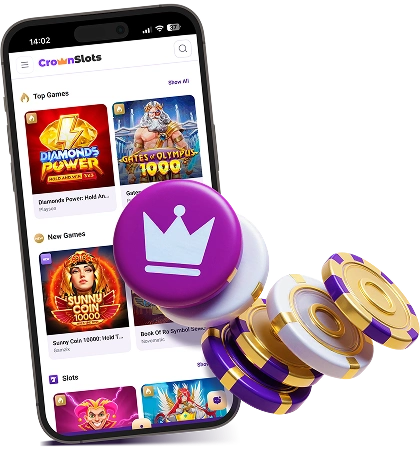
A large catalogue can make game discovery feel harder rather than easier. Crownz presents thousands of titles across slots, live casino, crash games and instant-style games, so a useful approach is to narrow the choice by format, pace, mechanics and personal boundaries. The information available at charlwood-house.co.uk/gb/ can help readers understand the main categories and filters before deciding which type of game, if any, deserves closer attention. The aim is not to treat every title as equally suitable, but to create a simple method for comparing options without confusing variety with value.
Begin with the type of experience you want
The broadest decision is whether you want an automated game or a live table environment. Slots are designed around reels, symbols and bonus features, while live casino games use streamed dealers and table formats such as roulette, blackjack and baccarat. Crash games follow a different structure, with a rising multiplier and a decision point, whereas instant-style titles are often built around shorter sessions and simpler interfaces.
Choosing a category first removes much of the catalogue noise. Someone interested in traditional table rules could begin with roulette or blackjack rather than scrolling through hundreds of slots. A reader looking for visual themes and feature rounds may prefer the slot section. Those who want a quicker, more event-like format might investigate crash titles, although the rapid pace can make it especially important to decide limits before playing.
The category label is only a starting point. Two games in the same section can differ substantially in pace, complexity and presentation. Live roulette may be offered in European or American formats, for example, while slot titles can vary from simple fruit-themed designs to games featuring Megaways mechanics, jackpots or bonus-buy options. Treat the category as a route into the catalogue, not as a guarantee that every title will suit the same preference.

Use filters to reduce the catalogue without losing context
Filters are most useful when they answer a specific question. The available slot filters include Top, New, Trending, Crypto, Instant, Bonus Buy, Jackpot, Megaways and Specials. Rather than selecting several labels at random, choose one that matches your purpose. “New” may help with recent releases, while “Megaways” identifies a particular style of variable-reel mechanic. “Jackpot” signals a prize feature, but it does not by itself explain the rules or odds of a particular game.
Provider filters can offer another practical route. The catalogue names suppliers including BGaming, ELK, Endorphina, Hacksaw Gaming, Playtech, Quickspin, Spribe, Wazdan and others. Browsing by provider can be useful if you recognise a design style or want to compare several games made by the same studio. It should not, however, be treated as evidence that one provider’s titles are automatically better, safer or more profitable than another’s.
After applying a filter, open the individual game information before making a decision. Check the displayed rules, paytable, bonus conditions and any stated restrictions. A short trial may show how the interface works, but it cannot establish future results, profitability or the practical risk of repeated play. If a label such as “trending” or “top” appears, read it as a sorting aid rather than an independent recommendation.
Compare slots by mechanics, not just by theme
Slot themes are easy to notice, but mechanics usually have more influence on how a game feels. Look for details such as paylines, reel layout, wild symbols, scatters, free-spin rounds, multipliers and special features. A game with a familiar theme may still play very differently from another title with a similar appearance. Understanding the basic feature structure can help you avoid choosing solely because a graphic or name looks appealing.
Volatility is another term readers may encounter, although it should be treated carefully. In general industry language, lower-volatility games tend to produce smaller outcomes more frequently, while higher-volatility games may involve longer gaps and larger individual outcomes. These descriptions do not predict a personal result, and they do not remove the possibility of losing money. Look for the game’s own information rather than relying on a promotional label.
Bonus Buy, jackpot and Megaways filters also deserve separate attention. Bonus Buy features may involve an additional cost and may not be available in every jurisdiction or under every set of terms. Jackpot games can have different prize structures, while variable-reel mechanics can make the rules less immediately familiar. Before choosing, ask whether you understand the feature, whether the pace suits you and whether the game remains within a pre-set spending limit.

Live, crash and instant games require different decisions
Live casino games are best assessed by format and table rules. Roulette may be European or American, and those formats are not identical. Blackjack and baccarat also differ in their objective, available decisions and house rules. A live presentation can make the experience feel social and continuous, but it may also encourage longer sessions. Check the table information, minimum and maximum stakes and any displayed rules before joining a game.
Crash games create a different concern because the action can move rapidly from one round to the next. Titles such as Aviator, Spaceman and other crash-style examples use a multiplier that changes during the round. The central decision is when to exit, but no strategy guarantees a favourable result. Decide in advance how much time and money you are prepared to spend, and avoid treating a previous round as evidence about what will happen next.
Instant-style games may appear simpler, yet simplicity does not necessarily mean low risk. Their quick format can make repeated rounds easy to start, particularly on a mobile browser. If you are considering any gambling activity, the NHS guidance on gambling addiction provides general information about warning signs and support. Game discovery should always remain secondary to whether the activity is affordable, voluntary and under control.
Make a shortlist before spending time or money
A shortlist is more useful than endless browsing. Select perhaps three titles from the category you prefer, then compare their rules, features, pace and displayed stake options. Note why each one reached the shortlist: a familiar table format, a particular slot mechanic or a preference for a slower interface. This creates a clear decision trail and makes it easier to reject a game that does not match your original purpose.
Keep promotional language separate from game suitability. A featured title, tournament game or special category may attract attention, but it does not prove that the game offers better chances or a better experience. Where a promotion affects a game’s eligibility, contribution or play conditions, read the specific promotion terms. Do not assume that a title included in a bonus section will count in the same way as every other game.
Before opening a session, set a practical stopping point. Consider a money limit, a time limit and a rule for ending the session after either limit is reached. Never increase the amount simply because earlier play produced losses, and do not regard gambling as a source of income. If the catalogue feels difficult to resist, stepping away is a valid decision. A well-chosen game is still not a reason to continue beyond an affordable boundary.
Questions readers often ask about game discovery
Are “top” or “trending” games more likely to win?
No. Labels such as “top” and “trending” are useful for organising a catalogue, but they do not establish better odds or predict future results. Use them to discover titles, then read the individual game information and decide whether the rules, pace and stake range fit your preferences.
What should I compare between two similar slot games?
Compare the reel structure, paylines, bonus features, stated volatility information, stake range and any special mechanics. Check whether bonus-buy functions or jackpot elements involve separate conditions. Theme and graphics can matter for enjoyment, but they should not replace reading the rules before playing.
Is a crash game suitable for a short session?
It may be quick to play, but a short format is not automatically lower risk. Rapid rounds can encourage repeated decisions and faster spending. If you choose to play, set time and money limits beforehand, avoid chasing losses and stop when either limit is reached.